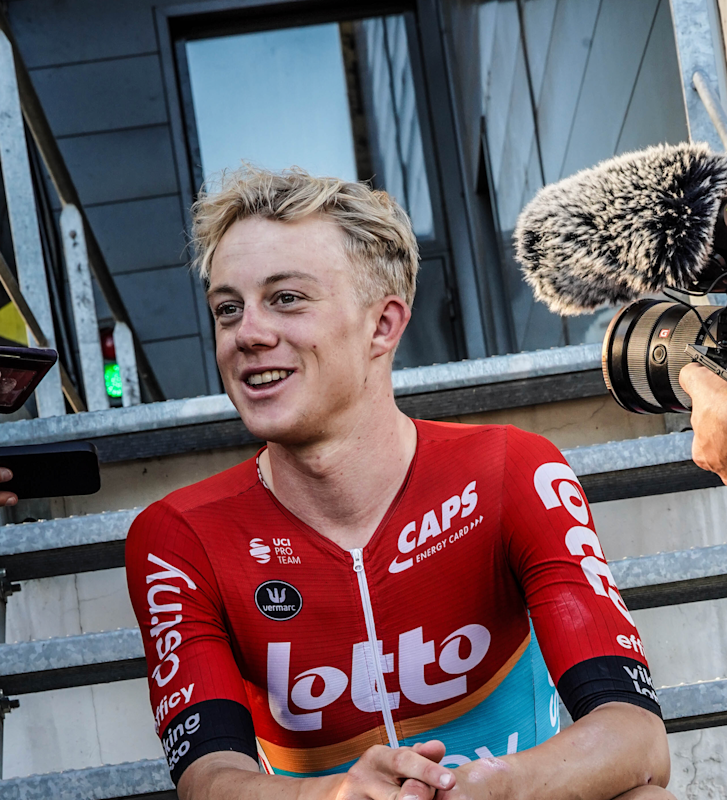

Maxim's headline numbers
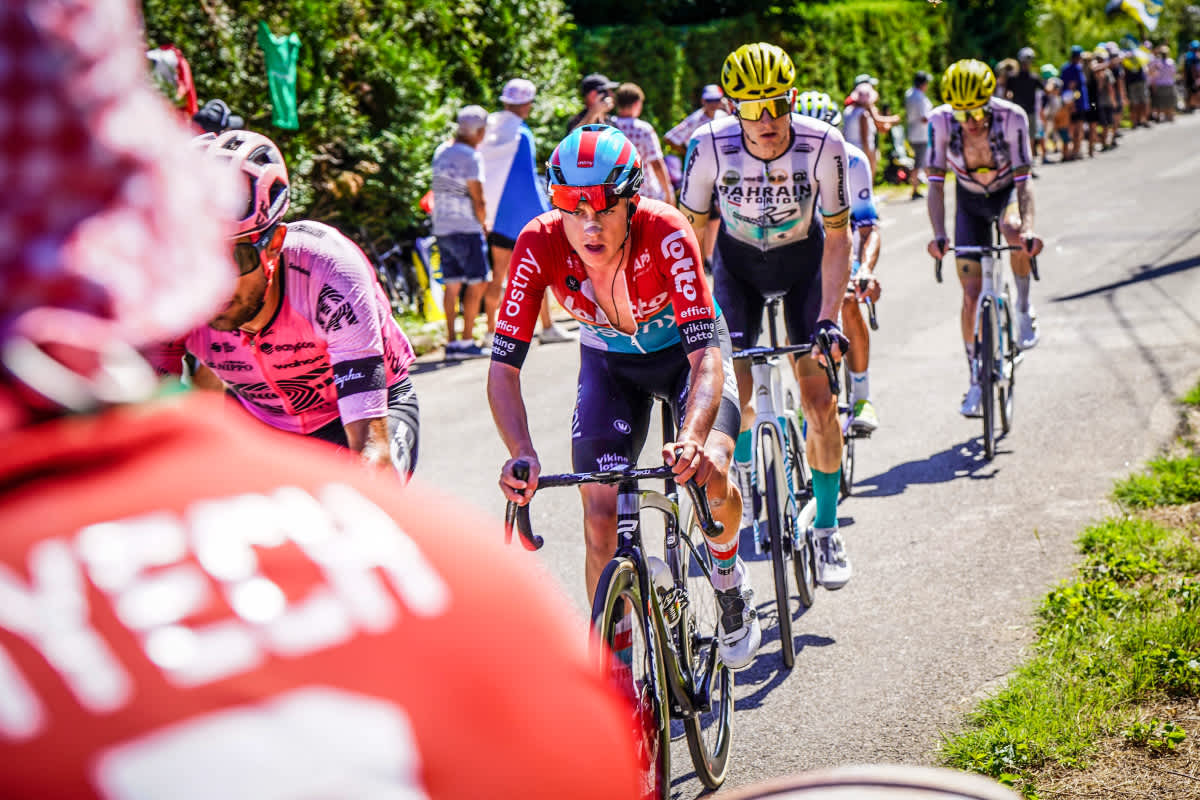
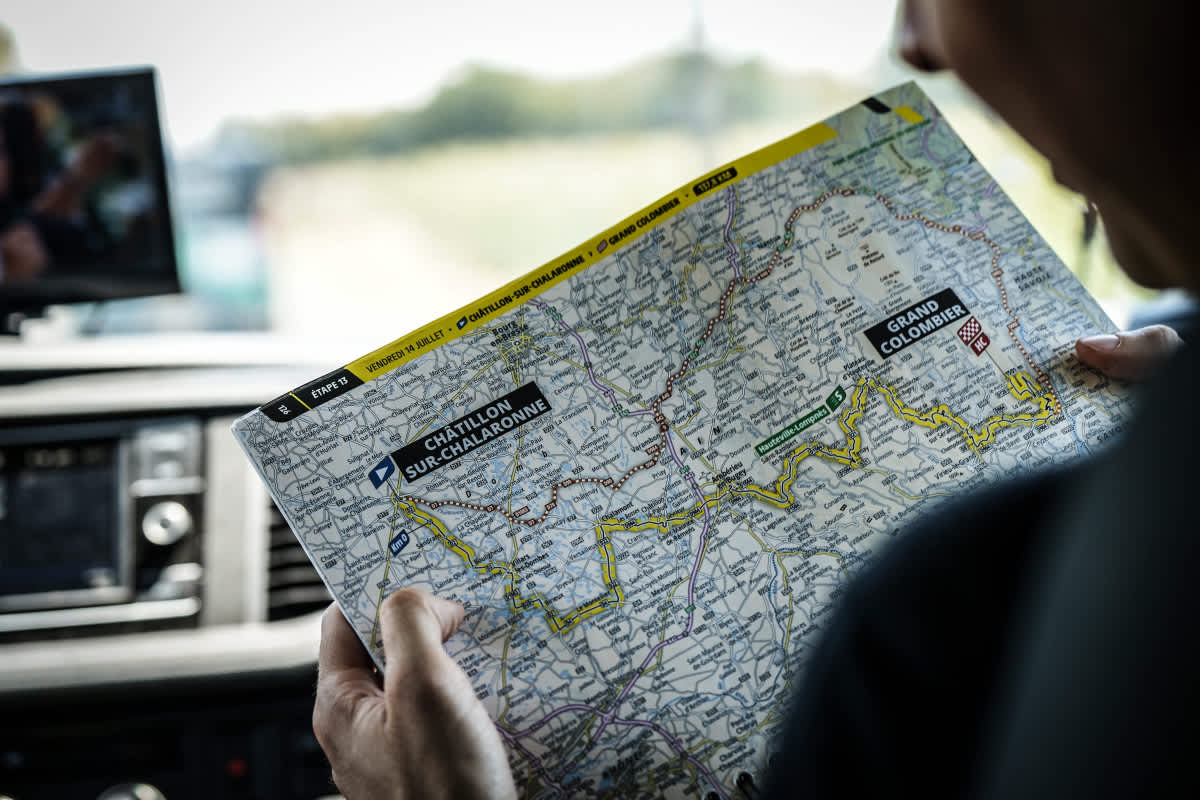
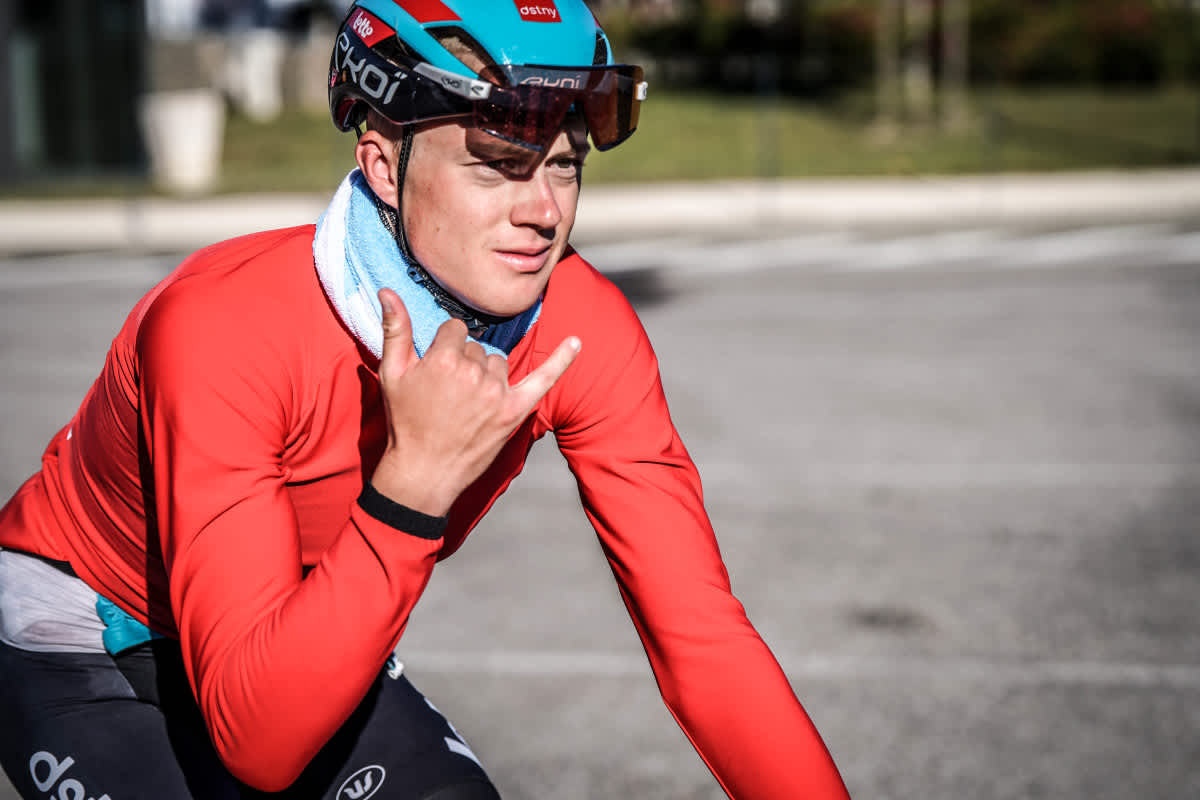
Maxim's strategy
Fueling
T - 1-4hrs: Ate a carb rich meal (Low in fat & fibre)
Maxim would benefit from taking in a final dose of carb <30 minutes before
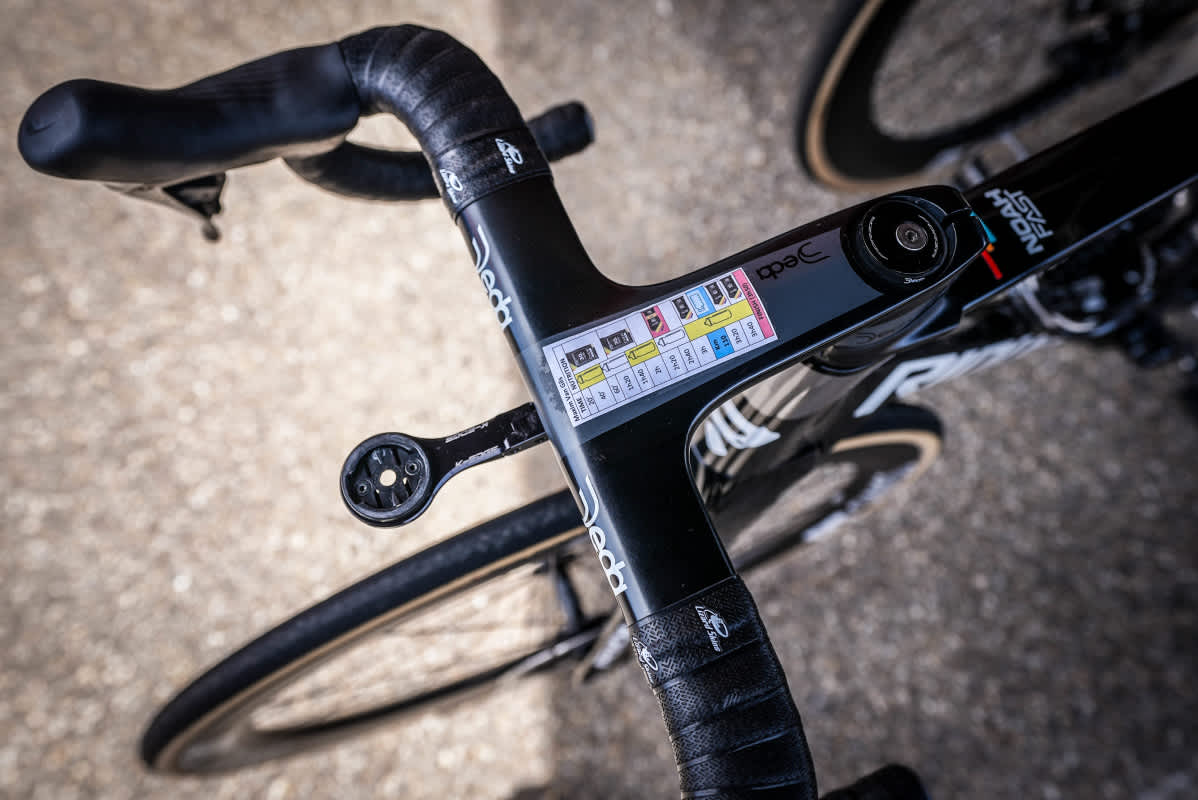
As he’d done prior to each stage previously, Maxim prepared for Stage 13 by carb loading, which is crucial to maintaining performance throughout the entirety of the tour (his teammates report eating up to 9,000 calories each day!). The Lotto Dstny riders all have stickers on the stems of their bike that outline their race nutrition plan for the day and Maxim executed his strategy perfectly, hitting over 100g of carb per hour.
Hydration
Taking on board an appropriate amount of fluid and sodium is essential to maintaining blood volume and supporting the cardiovascular effort needed to perform on race day.
Whilst the absolute amount of sodium and fluid consumed per hour is important, it’s critical to consider these in relation to each other. This is known as 'relative sodium concentration' and it’s expressed in milligrams per litre (mg/L). How much sodium you’re taking in per litre of fluid is more important than the absolute amount taken in per hour.
T - 60mins: Drank ~500ml of strong electrolyte drink
With the temperatures reaching 36ºC (97ºF), Maxim largely relied on PF Carb Only Drink Mix to achieve two goals - to replace a good proportion of his sweat fluid losses in hot conditions and hit his carb numbers. As someone who's classified as a low salt sweater, Maxim also drank a small amount of PF Carb & Electrolyte Drink Mix to get a small amount of sodium on board to adequately replace his losses.
Caffeine
Beyond the Three Levers of Performance (carb, sodium and fluid), caffeine is one of only a few substances that is proven to improve performance for most endurance athletes as it can help stave off mental and physical fatigue.
Consuming caffeine in the hours before the start may have increased perceived energy levels
Maxim tactically took a PF 30 Caffeine Gel around 30 minutes before reaching the foot of the 1,500m (4,921ft) climb of Grand Colombier. This meant the caffeine would be peaking in his bloodstream between 15-30 minutes into his climb, when a reduction in perceived effort is just what you’d want.
How Maxim hit his numbers
Here's everything that Maxim ate and drank on the day...
Final thoughts
“Maxim was incredibly satisfied with a career best performance, claiming 2nd place in this stage ahead of the general classification contenders who would typically be expected to fill the podium on a stage like this. He followed the strategy set by team nutritionist Britt perfectly to nail his intake on the day.”
 PF&H
PF&HMaxim's full stats
Data Confidence
We rate each of our case studies from 1-5 based on the level of accuracy, and our confidence in the data.
There is an adequate level of accuracy in the data collected and the numbers reported. The athlete manages to recall what they ate and drank including most specifics (brands flavours quantities plausible estimations of volumes). However there are estimations made within the data which affect the overall confidence level in the data reported.