Marlies Mejias Garcia
Valley of the Sun Stage 2
 Arizona 1st, FPRO
Marlies' headline numbers
Marlies' strategy
Fueling
T - 1-4hrs: Ate a carb rich meal (Low in fat & fibre)
T - 15mins: Took in a final dose of carb
"I’ve been adapting to eating while on the bike, and PF&H has accelerated this process. I also didn’t feel like I was lacking any energy throughout the race."
Marlies grew up with cycling and fueling being seperate entities. It is only in recent years that she has begun fueling while cycling and here is a great example of someone noticing the benefits of appropriate fueling. For someone who isn’t used to eating or drinking while cycling, this is an extremely impressive carb intake that truly pushes the boundaries of what the gut can manage. It demonstrates how impactful gut training can be, as Marlies has been able to adapt to fueling while on the bike. This intake exceeds the recommendations for a race of this duration and intensity, and considering the nature of stage races, a high carb intake is even more crucial in order to promote recovery post-race and ensure the rider is ready to go again for the next stage.
Hydration
Taking on board an appropriate amount of fluid and sodium is essential to maintaining blood volume and supporting the cardiovascular effort needed to perform on race day.
Whilst the absolute amount of sodium and fluid consumed per hour is important, it’s critical to consider these in relation to each other. This is known as 'relative sodium concentration' and it’s expressed in milligrams per litre (mg/L). How much sodium you’re taking in per litre of fluid is more important than the absolute amount taken in per hour.
T - 60mins: Drank ~500ml of strong electrolyte drink
"I don’t tend to worry as much about hydration as I do about fueling, and I felt great in this regard during Stage 2. However, I know it’s something I need to work on, especially my sodium intake. "
Since this race was relatively short, Marlies was able to manage without consuming any sodium, especially because her fluid intake was adequate for the conditions. However, to improve her hydration strategy for future races, we’d recommend she focuses on incorporating sodium into her routine. This becomes especially important in hot conditions and multi-stage events, where cumulative sodium losses could become significant and negatively impact performance. A good starting point would be to get a Sweat Test so that Marlies can understand how salty her sweat is and how much she needs to consume to account for this.
How Marlies hit her numbers
Here's everything that Marlies ate and drank on the day...
Final thoughts
“Last year, I finished 2nd in the same race with my legs cramping after not eating or drinking anything at all. This year, after being introduced to PF&H, I definitely felt the difference. ”
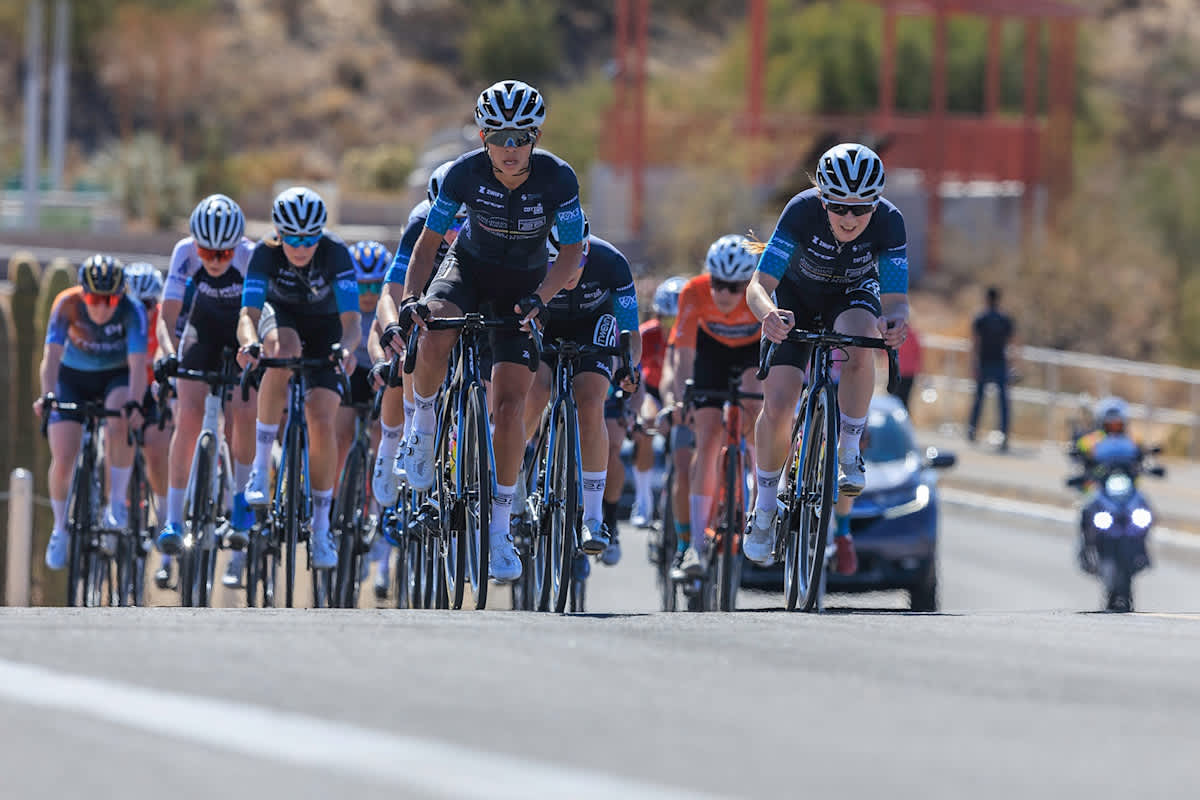
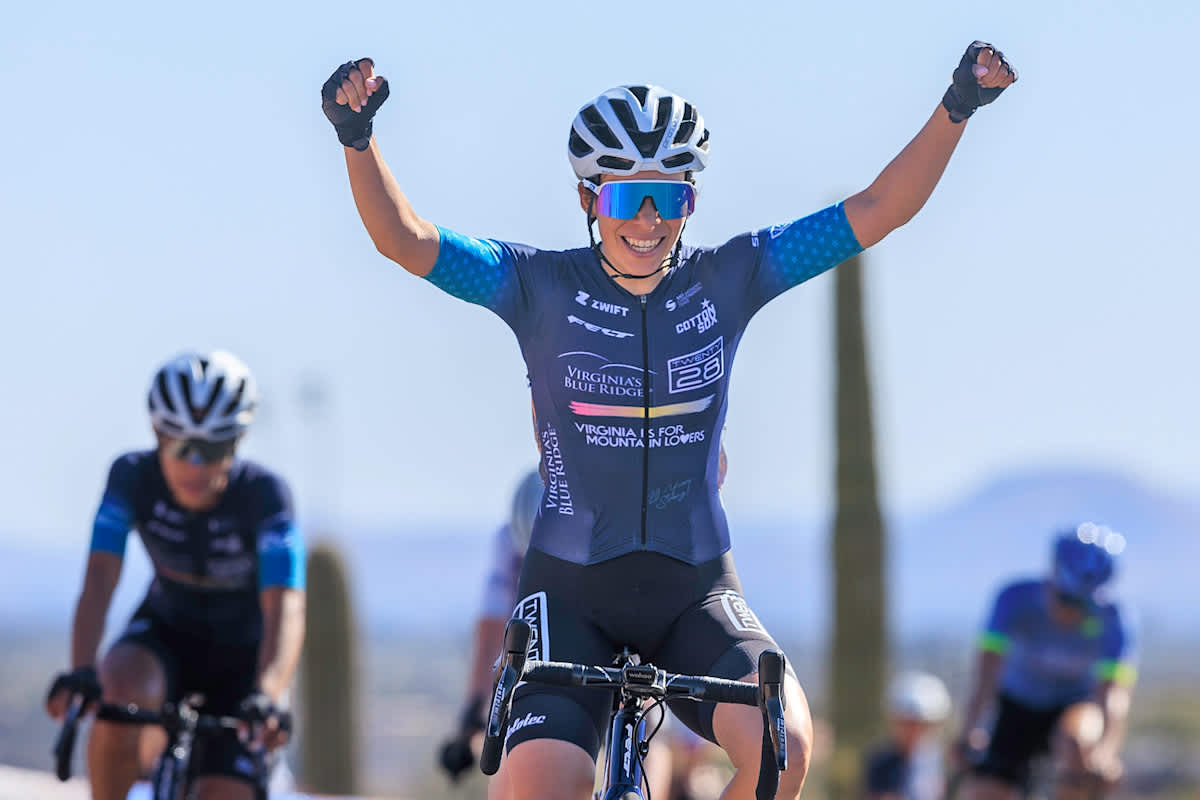
Marlies“Overall, Marlies absolutely crushed this race, taking a dominant victory after a 5km climb at 3% elevation, followed by a 200m sprint finish. She has rapidly improved her ability to tolerate carbohydrates during races, and it paid off with a well-earned 1st place. Her next focus should be fine-tuning her hydration strategy with an emphasis on sodium consumption to adequately replace her losses. ”
 PF&H
PF&HMarlies' full stats
Data Confidence
We rate each of our case studies from 1-5 based on the level of accuracy, and our confidence in the data.
There is an adequate level of accuracy in the data collected and the numbers reported. The athlete manages to recall what they ate and drank including most specifics (brands flavours quantities plausible estimations of volumes). However there are estimations made within the data which affect the overall confidence level in the data reported.