Metheven Bond
The Traka 360
 GironaTop 50, MPRO
Metheven's headline numbers

Metheven's strategy
Fueling
T - 1-4hrs: Ate a carb rich meal (Low in fat & fibre)
T - 15mins: Took in a final dose of carb
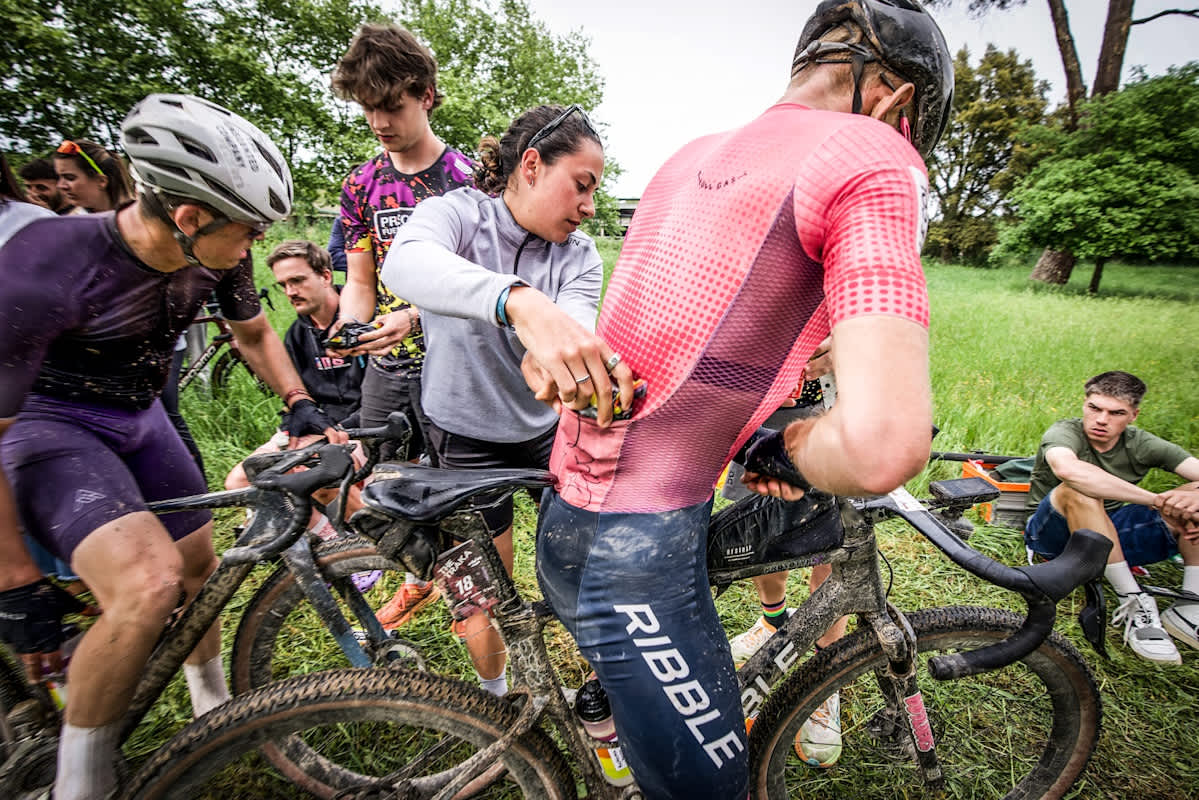
"I didn’t start fueling as early as maybe I should have with the climb so soon on the course and considering the huge power surges with the group. My energy levels dipped slightly in the middle when I didn’t manage to get enough fuel at the assistance zone, but after compensating for this later on, I finished feeling pretty good."
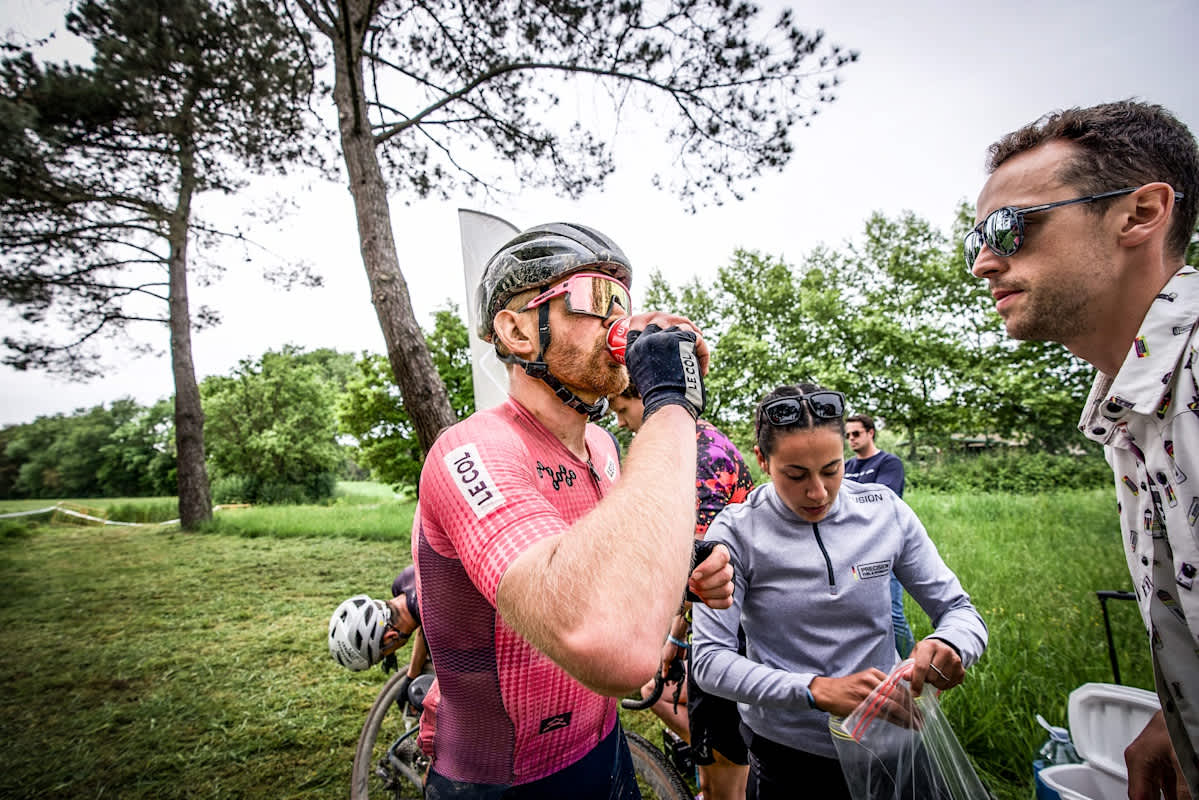
Racing for twelve and a half hours with a TSS (training stress score) of 678 and a **Wahoo-estimated** energy expenditure of ~10,000 calories puts Metheven’s ride well into the category of *extreme endurance*. In these events, the goal isn't to match energy output, as that’s difficult to achieve, but rather to slow the rate of energy depletion with a consistent intake of carbohydrate. Metheven averaged ~84g of carbohydrate per hour, aligning well with the 60–90g/h range recommended for ultra-distance efforts. This helped him avoid any serious energy crashes, despite unintentionally delaying his first gel until ~40 minutes into the race, instead of 15-20 minutes. That small delay may have contributed to moments of mental fuzziness later on, as early carb ingestion supports central nervous system function and blood glucose stability. Over the day, he used a mix of sports nutrition (gels, chews) and real food (flapjacks, cereal bars), which would have aided absorption by utilising multiple carbohydrate transporters (glucose and fructose) and helped reduce flavour fatigue. Like many endurance events, assistance zones at the Traka are critical touchpoints that can make or break a fueling strategy. Unfortunately, some logistical issues at the second of three assistance zones meant Metheven missed out on part of his planned gel intake. As a result, his energy levels dipped slightly after a period of sub-optimal carbohydrate consumption. Additionally, as part of his crewing team, we were able to weigh Metheven’s gel packets at all three of the feed zones. Of the fourteen gels he ate, weighing the packets revealed that he actually only consumed the equivalent of eleven of these. Looking ahead, small tweaks like starting to fuel earlier, incorporating some salty or savoury options to further combat flavour fatigue, and stashing a couple of “emergency gels” in his race suit could help. Another consideration could be to use Flow Gel in a Flow Flask to reduce the likelihood of carbs remaining in ‘empty’ packets. That said, his approach still reflected strong planning, pacing, and variety; impressive execution for such a long and demanding day.
Hydration
Taking on board an appropriate amount of fluid and sodium is essential to maintaining blood volume and supporting the cardiovascular effort needed to perform on race day.
Whilst the absolute amount of sodium and fluid consumed per hour is important, it’s critical to consider these in relation to each other. This is known as 'relative sodium concentration' and it’s expressed in milligrams per litre (mg/L). How much sodium you’re taking in per litre of fluid is more important than the absolute amount taken in per hour.
Metheven1433mg/L
Metheven has been Sweat Tested to dial in his hydration plan
Sweat sodium concentration (mg/L) is largely genetically determined and remains relatively stable. Knowing how salty your sweat is enables you to replace a good proportion of your sweat losses, which can range from 200-2,000mg/L.
Given Metheven's losses are Very High (1,433mg/L), nailing his hydration strategy remains important, even when it's Mild.
Learn moreT - 60mins: Drank ~500ml of strong electrolyte drink
"Looking back, I left quite a lot of fluid in my hydration packs, and didn’t drink much plain water at the assistance zones, but I felt hydrated enough. I did force myself to pee once during the race and didn’t need to go again."
**Fluid:**
With a sweat sodium concentration of 1,433mg/L and a body mass loss of 1.45kg (3.2lbs) during the race, equating to ~2.0% of his starting body mass, Metheven came right up to the threshold where dehydration begins to compromise performance. His total fluid intake of just under five litres (~170oz) was mostly sufficient for a race of this duration, but limitations became apparent in the second half, where he consumed only a third of his hydration vest's capacity and passed up much of the available plain water. In ultra-distance efforts, fatigue and the mental load of pacing, terrain, and heat can blunt both the desire and ability to drink. Metheven reported a dip in energy levels late in the race, and under such physiological strain, hydration often becomes deprioritised (usually over carb intake), even when it’s most needed.
**Electrolytes:**
Prior to the Traka, Metheven met with the Sports Science Team and received a Sweat Test. Because changing strategies so close to race day is never a good idea (we all know the saying: “never try anything new on race day!”). Metheven's initial planned sodium intake of ~1000mg/L was far closer to what he ended up consuming vs his sweat sodium concentration. As a result, his relative sodium concentration was lower than his losses and the overall fluid volume may not have kept pace with sweat rates in hotter and/or more humid conditions. Even mild dehydration over many hours can elevate cardiovascular strain, impair thermoregulation, and contribute to cognitive fatigue, even more so in the heat. Going forward, front-loading his fluid intake when the gut is more receptive could help sustain both physical and cognitive function deep into these demanding events, and with new knowledge of his actual sweat sodium losses, Metheven will swap from PH 1000 in his bottles to PH 1500 and some over-concentrated drink mix to ensure he better matches his body's needs.
Caffeine
Beyond the Three Levers of Performance (carb, sodium and fluid), caffeine is one of only a few substances that is proven to improve performance for most endurance athletes as it can help stave off mental and physical fatigue.
T - 0-4hrs: Had a final hit of caffeine
With ~5.69mg/kg of caffeine consumed, Metheven took a moderate approach to a substance proven to reduce perceived effort and boost endurance performance, especially in ultra events. Rather than front-loading, he used roughly two PF 30 Caffeine Gels throughout the race, around key moments or when he felt dips in energy. This dose provided sufficient benefit, just below the upper limit of the commonly cited 3–6mg/kg range shown to enhance endurance outcomes, particularly when used in small, regular doses to support long-term focus. Over a twelve and a half hour event, cognitive fatigue often becomes as limiting as muscular fatigue, so a slightly more structured approach could help maintain sharper mental clarity, especially late in the race when perceived exertion spikes and motivation dips.
How Metheven hit his numbers
Here's everything that Metheven ate and drank on the day...
Final thoughts
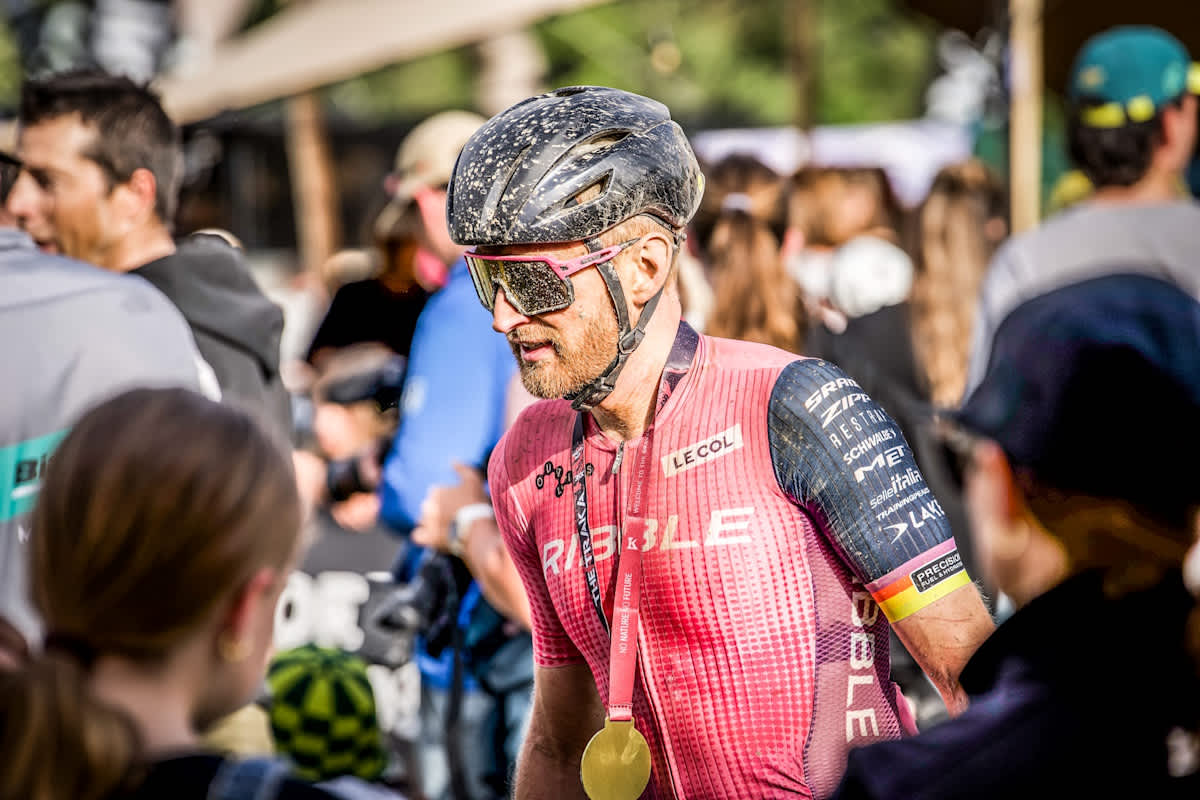
“I’ve never ridden that far before let alone raced it so I didn’t know what to expect. I finished not far off the leaders and really tried to race my own race so I am happy with the result.”
“It was such a pleasure to support Metheven in the build up to The Traka, with a Sweat Test, fuel and hydration plan refining, and as part of his crew at the assistance zones on the day. He had a brilliant race, and after a team win the week before at the Dirty Reiver, is on for a great season. We can’t wait to see how he performs later this month at Unbound Gravel.”
 PF&H
PF&HMetheven's full stats
Data Confidence
We rate each of our case studies from 1-5 based on the level of accuracy, and our confidence in the data.
There is good confidence in the accuracy of the data reported. An athlete feels that the numbers closely reflect what they consumed despite a couple of estimations which may carry some degree of error. The majority of what was consumed is recorded to a high level of specificity (most volumes are known through the use of bottles brands quantities flavours). The numbers are very plausible and align with previous data recordings (if an athlete has collected data previously).