
Amalia Ardeleanu
Ultra Trail Snowdonia 50k
 Snowdon7th
Amalia's headline numbers
Amalia's strategy
Fueling
T - 1-4hrs: Ate a carb rich meal (Low in fat & fibre)
T - 15mins: Took in a final dose of carb
"I had energy throughout the whole race. It was very hard and I was suffering but not due to a lack of energy."
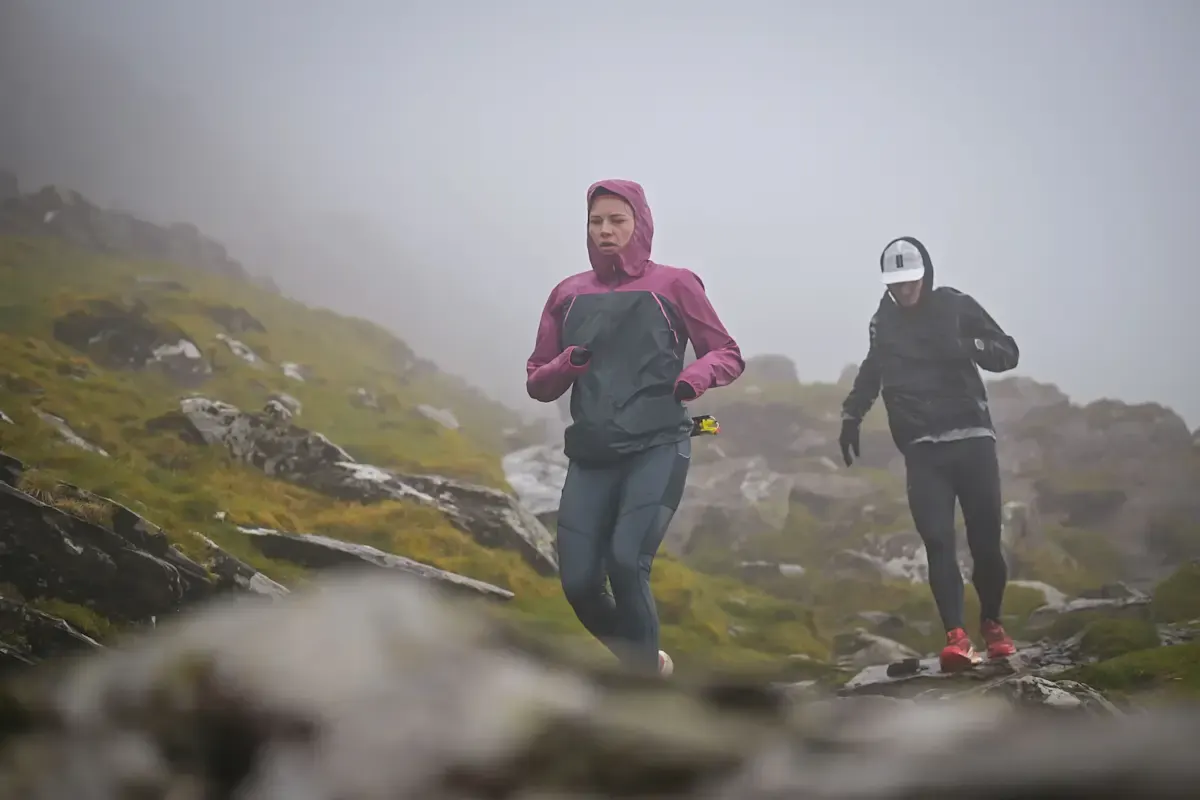
Amalia went into Ultra Trail Snowdonia 50km with a simple but clear fueling strategy. She’d been working on her gut tolerance in training so she was aiming to hit her highest ever carbohydrate intake of 90g/h to support her energy levels through this demanding race. The majority of Amalia’s ~86g/h came from one 500ml soft flask containing PF 300 Flow Gel; having easily accessible carbs was essential in a race as technical as this, especially considering the wet conditions. She supplemented her Flow Gel intake with eight PF 30 Caffeine Gels and one PF 90 Gel. Despite using only sports nutrition products for ~8.5 hours, Amalia didn’t experience any flavour fatigue and was really happy with how her carb intake supported her energy levels.
Hydration
Taking on board an appropriate amount of fluid and sodium is essential to maintaining blood volume and supporting the cardiovascular effort needed to perform on race day.
Whilst the absolute amount of sodium and fluid consumed per hour is important, it’s critical to consider these in relation to each other. This is known as 'relative sodium concentration' and it’s expressed in milligrams per litre (mg/L). How much sodium you’re taking in per litre of fluid is more important than the absolute amount taken in per hour.
T - 60mins: Drank ~500ml of strong electrolyte drink
"Considering that it rained heavily for the entire race and temperatures were very low, I felt that my hydration strategy was appropriate for the conditions."
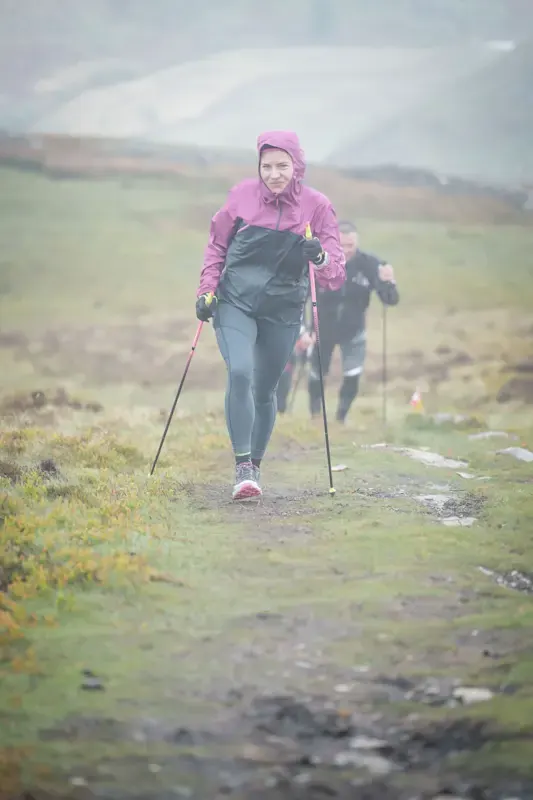
Amalia went into this race optimally hydrated by preloading with 500ml of PH 1500 the night before and morning of the race. The unpredictability of the May weather in Snowdonia made planning her hydration strategy difficult! With conditions looking cold as the race approached, Amalia decided to target 500ml/h at 750mg/L. Consuming an equal amount of PH 1500 (Drink Mix) and plain water meant the relative sodium concentration of Amalia’s drinks was similar to her target. She added in a few extra Electrolyte Capsules later in the race, just in case. Overall, Amalia’s hydration strategy helped prevent any symptoms of dehydration or cramping and was appropriate for the conditions of the day.
Caffeine
Beyond the Three Levers of Performance (carb, sodium and fluid), caffeine is one of only a few substances that is proven to improve performance for most endurance athletes as it can help stave off mental and physical fatigue.
Consuming caffeine in the hours before the start may have increased perceived energy levels
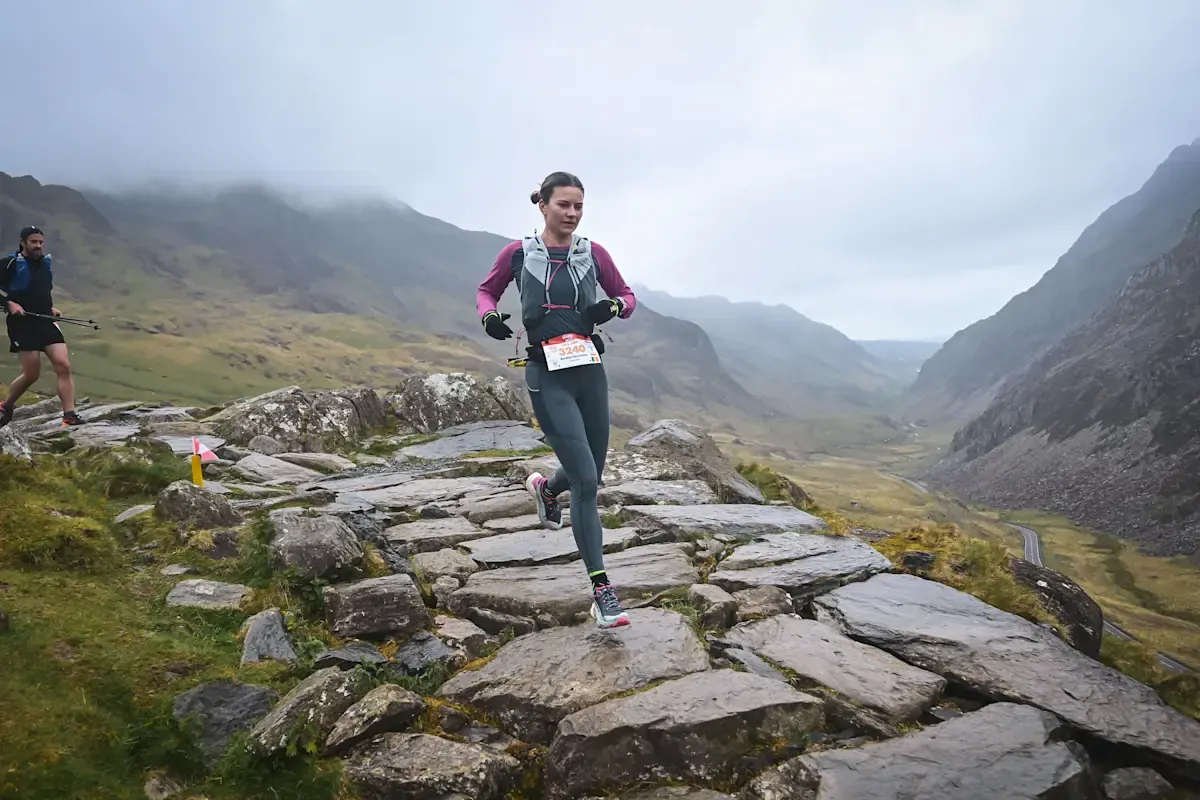
The general recommendation for caffeine intake to enhance performance is 3-6mg per kilogram of bodyweight, which Amalia exceeded with the eight PF 30 Caffeine Gels she consumed during the 50km. She opted for this strategy due to the technicality of the course and the poor visibility, relying on the regular caffeine doses to support her mental alertness and concentration to prevent her from falling. Over a long duration event, it is likely that her distributed intake of caffeine gels kept the concentration of caffeine in her blood at a sensible level throughout the race. Although she didn’t experience any negative impacts of caffeine on this occasion she could look to reduce her intake a bit in future races.
How Amalia hit her numbers
Here's everything that Amalia ate and drank on the day...
Final thoughts
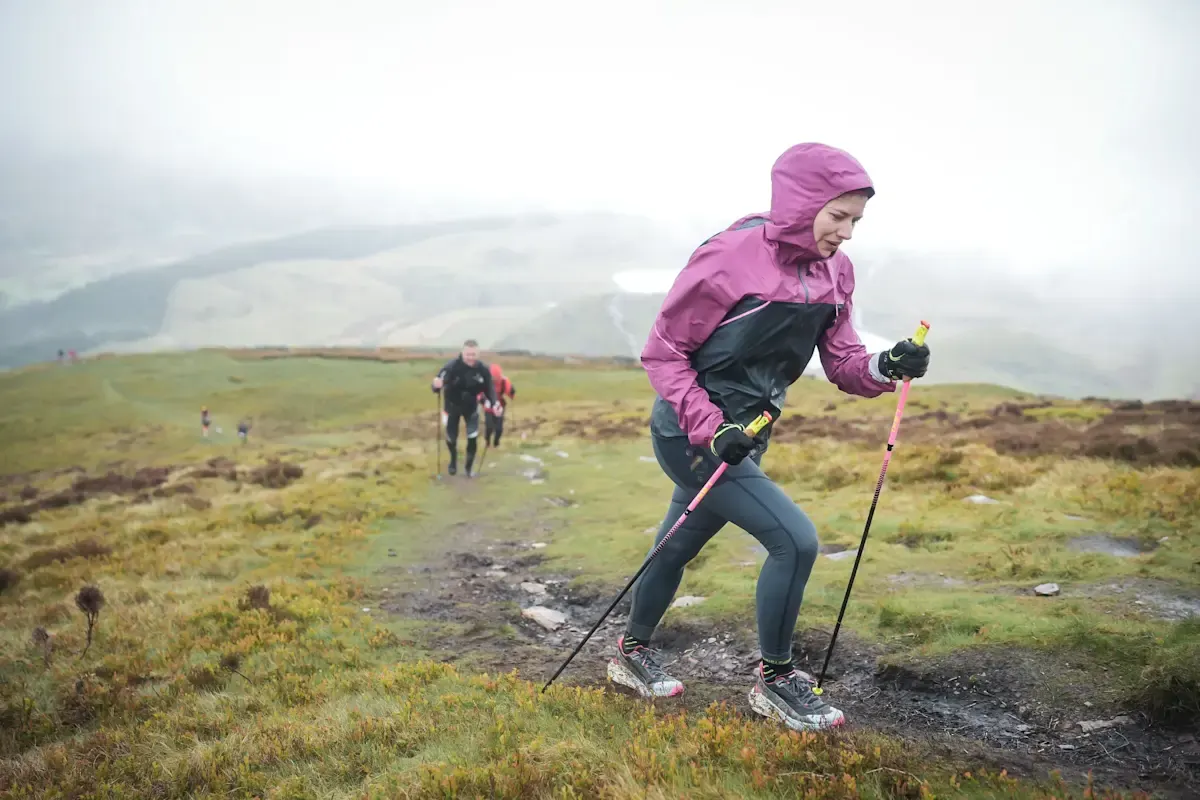
“That was my best race in 3 years, I felt like myself again. My target was 8 hours but I think this result is actually better in these conditions than 8 hours would’ve been on a ‘normal’ day so I’m very happy with that.”
Amalia“Amalia battled the elements out in Snowdonia and ran an excellent race with the help of her simple, well-executed fuel & hydration strategy. In easier conditions, Amalia should look to drop her caffeine intake to sit within the recommendations to provide the ergogenic effects without risking any negative side effects.”
 PF&H
PF&HAmalia's full stats
Data Confidence
We rate each of our case studies from 1-5 based on the level of accuracy, and our confidence in the data.
There is good confidence in the accuracy of the data reported. An athlete feels that the numbers closely reflect what they consumed despite a couple of estimations which may carry some degree of error. The majority of what was consumed is recorded to a high level of specificity (most volumes are known through the use of bottles brands quantities flavours). The numbers are very plausible and align with previous data recordings (if an athlete has collected data previously).