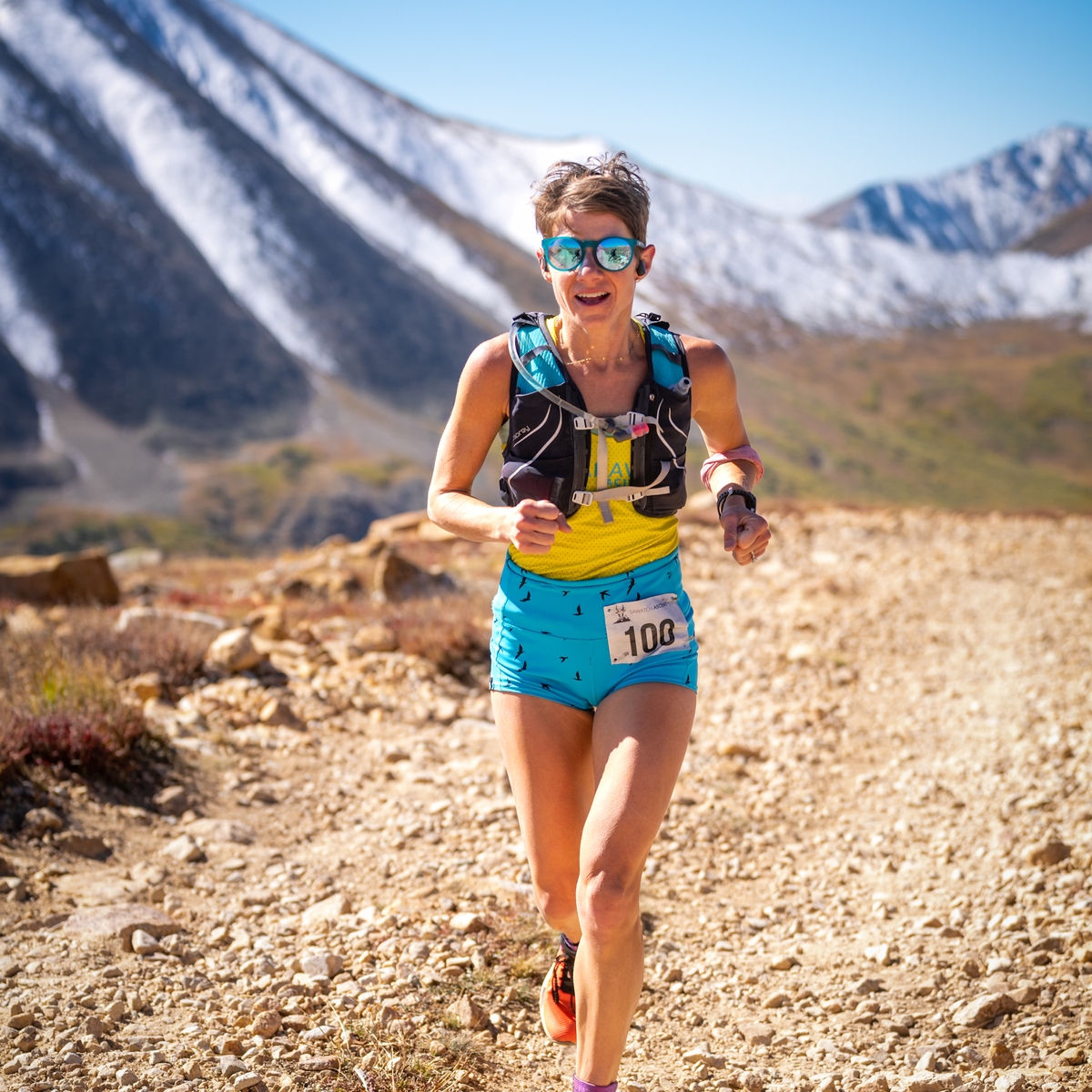
Lauren Puretz

Western States® 100-Mile Endurance Run
 Olympic Valley, California14th, FPRO
Lauren's headline numbers
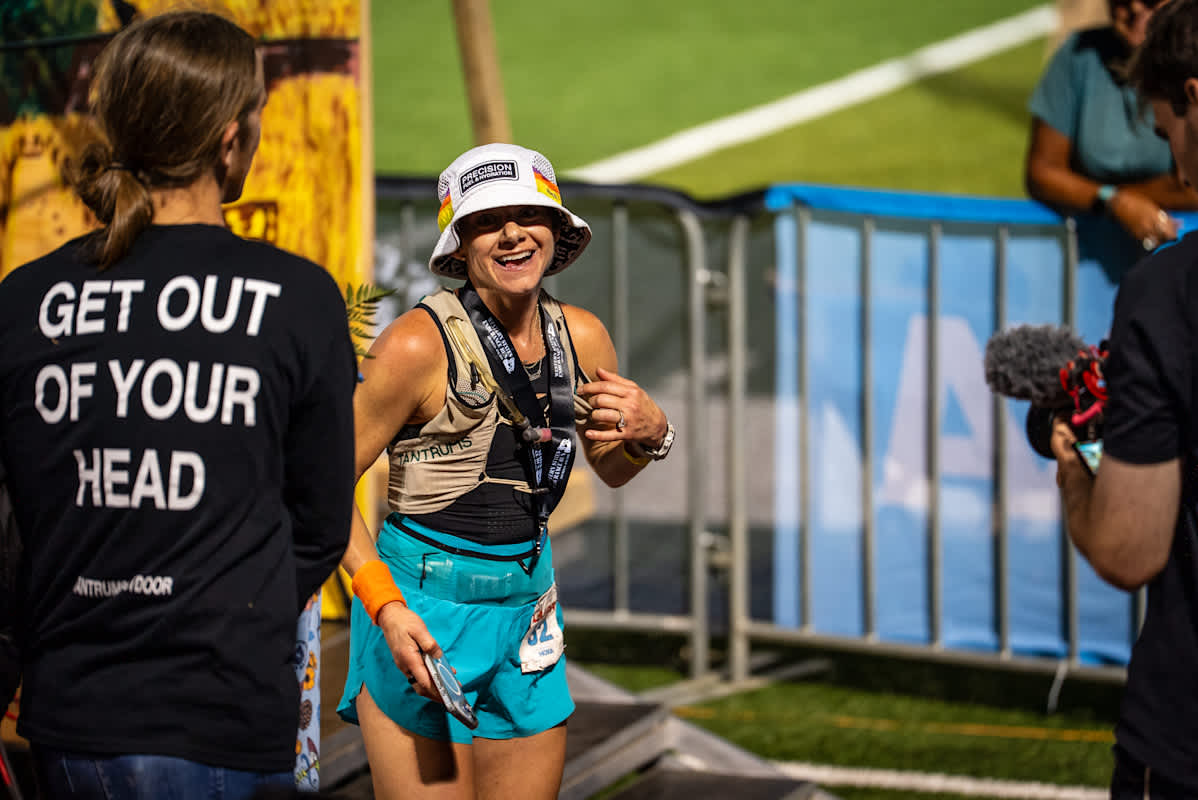
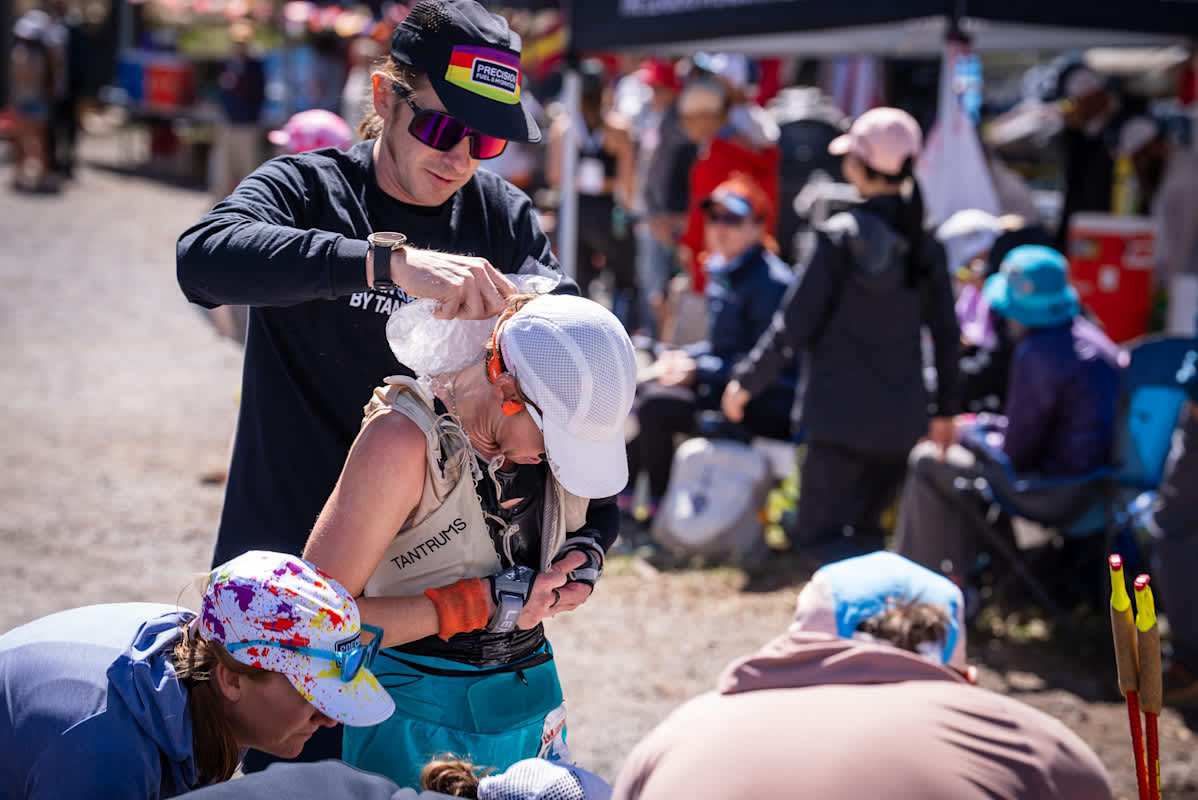
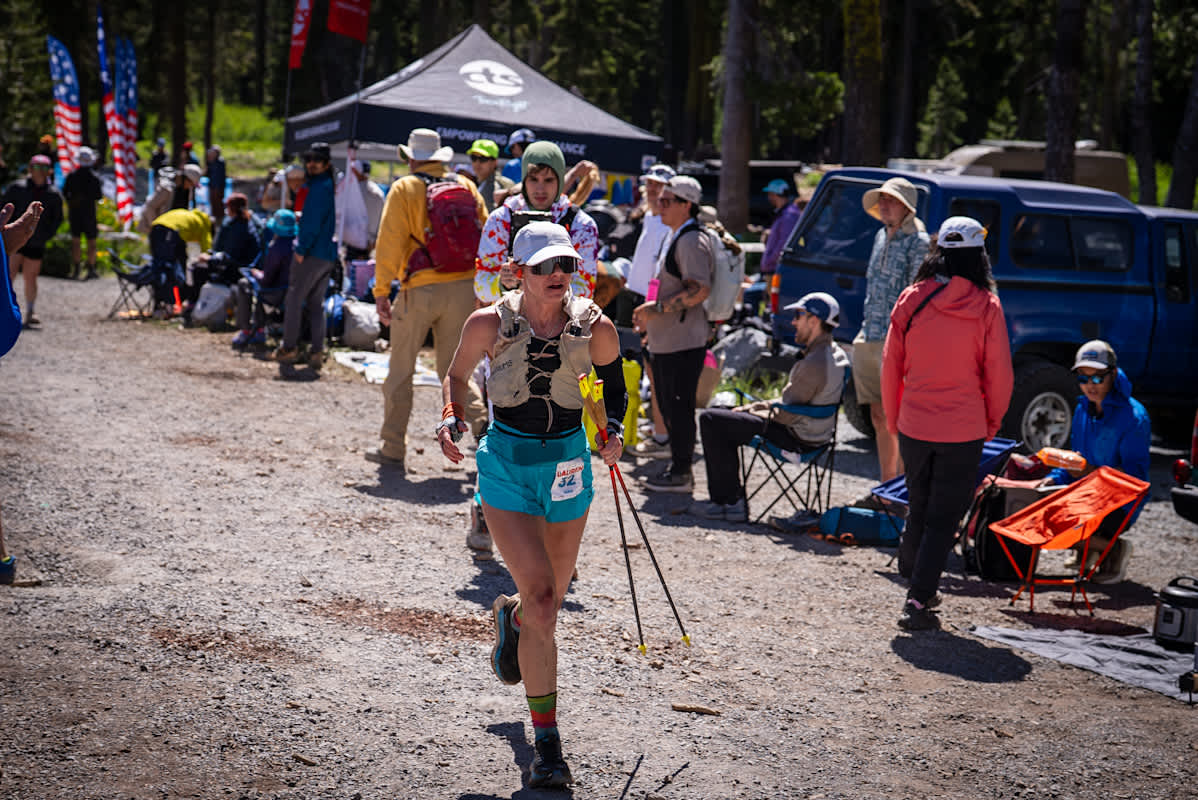
Lauren's strategy
Fueling
T - 1-4hrs: Ate a carb rich meal (Low in fat & fibre)
T - 15mins: Took in a final dose of carb
"I felt really good at the beginning, aside from not knowing exactly where my gels were in my pack. I felt a little low towards the end when I missed some gels, but I was staying on pace."
Lauren's fueling this year showed a marked jump in tolerance (~73g/h versus ~67g/h in 2024): her GI rating rose from 4/10, when stomach issues cost her roughly an hour of walking, to 9/10 this year with no problems. Lauren tends to have a fairly low appetite pre-race, but she managed some carb-rich snacks and a caffeinated energy drink.
Throughout the race, she leaned on PF Carb & Electrolyte Drink Mix, PF 90 Gels and PF 30 Caffeine Gels, using some on course energy drink and cola where needed for variety. Her carb intake held strongest through the mid-race climbs, other than a small dip near Michigan Bluff (~55miles), peaking at ~91g/h from Forest Hill (~62miles) to Rucky Chucky (~78miles), before fading in the closing stages to ~59g/h and a mere ~29g/h in the final segment. This drop in intake was more of a logistical issue than physiological as her fatigue meant she lost track of where gels were packed. To see Lauren finish strong and take nearly 90 minutes off her performance from 2024, all whilst having no gut issues, shows the progress she’s made in her fueling strategy over the last two years.
Hydration
Taking on board an appropriate amount of fluid and sodium is essential to maintaining blood volume and supporting the cardiovascular effort needed to perform on race day.
Whilst the absolute amount of sodium and fluid consumed per hour is important, it’s critical to consider these in relation to each other. This is known as 'relative sodium concentration' and it’s expressed in milligrams per litre (mg/L). How much sodium you’re taking in per litre of fluid is more important than the absolute amount taken in per hour.
Lauren1044mg/L
Lauren has been Sweat Tested to dial in her hydration plan
Sweat sodium concentration (mg/L) is largely genetically determined and remains relatively stable. Knowing how salty your sweat is enables you to replace a good proportion of your sweat losses, which can range from 200-2,000mg/L.
Whilst Lauren's losses are on the moderate side, getting her hydration strategy right is still important if she wants to perform at her best.
Learn moreDrinking a strong electrolyte drink before the race could have helped Lauren start optimally hydrated
"Drinking has always been a challenge for me, but this time I felt like I was hydrating really well, although at the end I was definitely dehydrated. My strategy was to use a handheld, as I find them annoying to carry, so it makes me drink."
Lauren averaged ~483ml of fluid per hour, down from ~582ml/h in 2024, which reflects the cooler conditions rather than a change in approach. With such a colder year of 10 ºC less, Lauren’s 100ml per hour less fluid likely replaced a higher proportion of her sweat losses than 2024. The bigger shift was in her sodium strategy. Her relative sodium concentration increased from ~606mg/L last time to ~978mg/L this year, moving much closer to her measured sweat sodium concentration. In 2024, she found her drinks "too salty" at the lower concentration and had to dilute with plain water, which dropped her sodium intake when she needed it most. This year, taking on a notably stronger concentration, she reported no such complaints, a clear sign that a change in strategy to incorporate more Electrolyte Capsules instead of flavoured drinks worked well. Fluid intake followed the same pattern as her fueling; she held 450-600ml/h through the Dusty Corners to Rucky Chucky stretch, then dropped to ~251ml/h from Green Gate to Pointed Rocks and ~292ml/h in the final segment to the finish, which lines up directly with the dehydration she reported. For next time, we'd suggest pre-loading with a larger flask at the Green Gate crew stop specifically to protect fluid intake through that final stretch, when fatigue makes self-directed drinking hardest.
Caffeine
Beyond the Three Levers of Performance (carb, sodium and fluid), caffeine is one of only a few substances that is proven to improve performance for most endurance athletes as it can help stave off mental and physical fatigue.
Consuming caffeine in the hours before the start may have increased perceived energy levels
Lauren took in caffeine from a variety of products across the race, averaging out to ~17.1mg/kg relative to her bodyweight, roughly double her 2024 intake of ~8.2mg/kg and well above the 3-6mg/kg guidance typically associated with ergogenic benefit. Most of this came from PF 30 Caffeine Gels spread throughout the day and she reported no tolerance issues in either year. It's important to note that despite her consuming such a high volume of caffeine, given the duration of the race, the timing of her doses, and the fact caffeine has a half life of 4-5 hours, it’s likely the concentration of caffeine in her blood was never over the 6mg/kg recommendation at any point.
How Lauren hit her numbers
Here's everything that Lauren ate and drank on the day...
Final thoughts
“I’d hoped for better placing, but I am pleased with my finish time. I did suffer from a couple of issues with a migraine and sore hip so I’m happy with the result despite this. My goal was around 17 hours and I did that, so no need to go back!”
Lauren“Lauren had the fastest masters women's time of 17:24:37, a ~90-minute personal best over her 2024 run, while managing a migraine and a hip niggle along the way. The one area to sharpen for the next 100-miler is protecting fuel and fluid intake through the closing segments so she isn't finishing dehydrated and under-fuelled. Still, it’s great to see the progress she’s achieved in her strategy over the last two years.”
 PF&H
PF&HLauren's full stats
Data Confidence
We rate each of our case studies from 1-5 based on the level of accuracy, and our confidence in the data.
There is good confidence in the accuracy of the data reported. An athlete feels that the numbers closely reflect what they consumed despite a couple of estimations which may carry some degree of error. The majority of what was consumed is recorded to a high level of specificity (most volumes are known through the use of bottles brands quantities flavours). The numbers are very plausible and align with previous data recordings (if an athlete has collected data previously).